.png)
Bed Bug Control in Indianapolis, Indiana
Indianapolis consistently ranks among the top midwestern cities for bed bug service requests. Known as the Crossroads of America, Marion County sees high traffic from interstate transit, major conventions, sports travel, and dense apartment communities. Eco Pest Controls connects Indianapolis homeowners and renters with independent local exterminators. Here is what to know before hiring anyone: spotting early signs, understanding Indiana tenant laws, checking state applicator licenses, and preparing your home.
Who does the work
Eco Pest Controls is a referral service. We connect you with independent local providers across Indianapolis and Marion County. The providers, not Eco Pest Controls, perform the inspection and treatment, and we do not warrant their work. Verify any provider's license and insurance before hiring, using our checklist below.
Why Indianapolis sees persistent bed bug activity
Orkin and Terminix routinely place Indianapolis among their top 15 U.S. bed bug markets. The city's geography and infrastructure explain why bed bugs spread readily throughout central Indiana:
- Crossroads travel and logistics. Indianapolis intersects four major interstate highways (I-65, I-69, I-70, and I-74). High turnover in hotels, motels, and freight rest stops makes it easy for hitchhiking insects to arrive via luggage and goods.
- Conventions and major events. Crowds visiting the Indiana Convention Center, Lucas Oil Stadium, Gainbridge Fieldhouse, and the Indianapolis Motor Speedway drive seasonal spikes in hotel traffic and short-term rentals.
- High-density rental communities. Multi-family complexes, historical brownstones in downtown and Broad Ripple, and student housing near IUPUI / IU Indianapolis and Butler University create shared walls and utility chases where bugs travel between units.
- Secondhand furniture swaps. Moving activity between student semesters and rapid suburban real estate churn increases the circulation of used couches, dressers, and bed frames.
Signs of bed bugs
Bites alone do not confirm bed bugs, as many people have no skin reaction and bites resemble those of fleas or mosquitoes. Check for dark, rust-colored fecal spots along mattress tufts, discarded translucent skins, blood smears on pillowcases, and small reddish-brown insects roughly the size of an apple seed. Carefully inspect mattress cording, box spring netting, headboard joints, baseboards, and couch seams. If you find a specimen, tape it to a piece of paper or seal it in a plastic zip bag so an exterminator can verify the species. View our comprehensive bed bug guide for step-by-step identification tips.
Optional photo. Upload the file, then remove the comment markers around this block.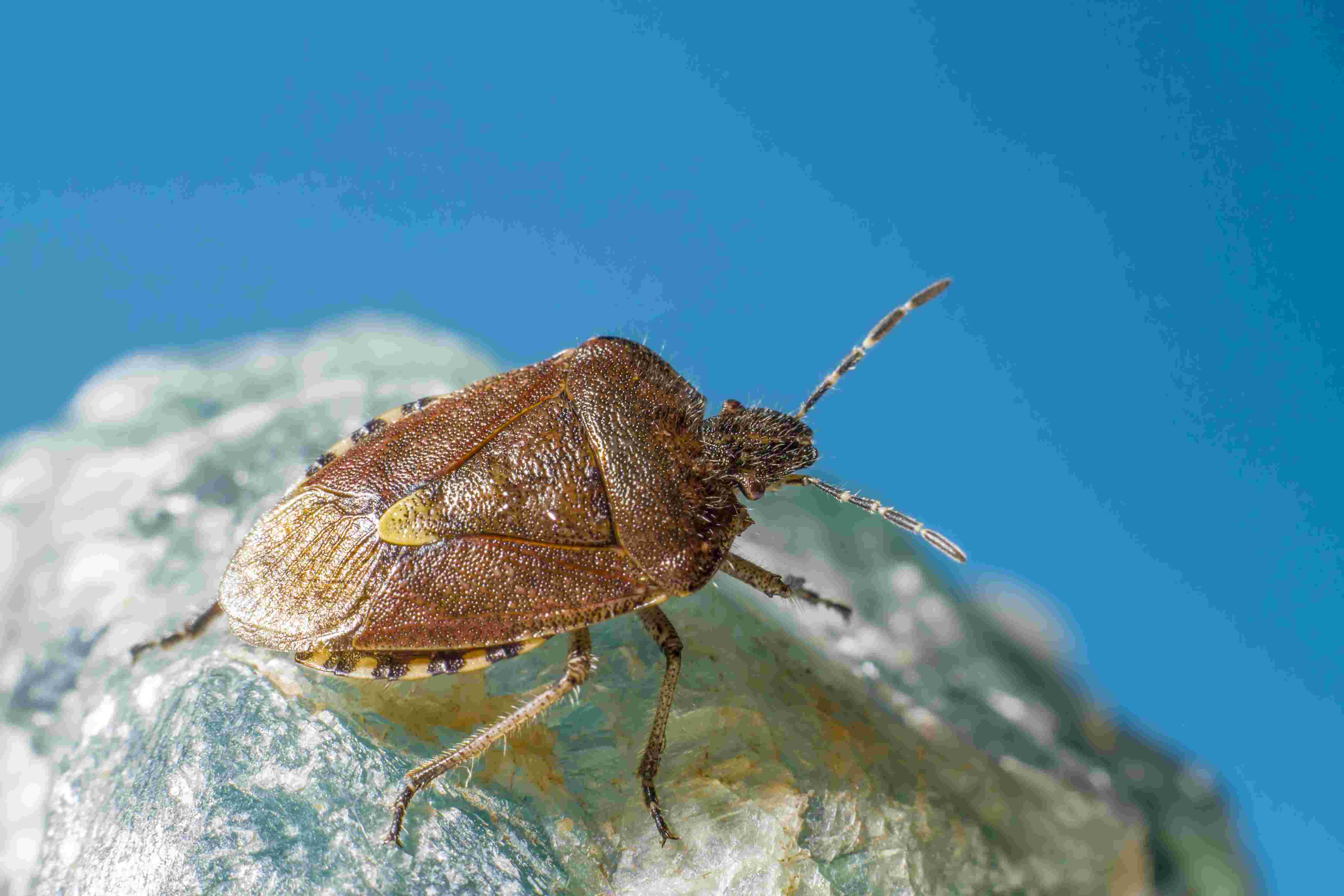
If you rent in Indianapolis & Marion County
Under Indiana Code (§ 32-31-8-5), landlords must deliver rental premises in a safe, clean, and habitable condition and maintain all common areas. Purdue University Extension and Marion County Public Health Department advise prompt reporting and clear communication whenever pests are found:
- Notify your property manager in writing immediately. Include photos of physical evidence and retain timestamped copies of your communications.
- Avoid over-the-counter foggers and "bug bombs." These products fail to penetrate deep cracks, emit volatile chemicals, and cause bugs to scatter into adjacent apartments.
- Review your lease agreement. Indiana statutes do not have a dedicated bed bug addendum law, meaning responsibility for treatment costs often defaults to lease clauses or how the infestation source is documented.
- Cooperate fully with preparation instructions and allow access for inspections and follow-up treatments in your unit and adjoining walls.
This information is for educational purposes and is not formal legal counsel. For tenant-landlord disputes in Marion County, reach out to Indiana Legal Services or a qualified housing attorney.
How to check an Indiana pest control license
In Indiana, commercial pest management companies must be licensed through the Office of Indiana State Chemist (OISC) located at Purdue University. Commercial applicators treating residential and commercial structures must hold valid certification in Category 7A (Industrial, Institutional, Structural, and Health-Related Pest Management). Before signing any agreement:
- Ask for the company's OISC business license number and the applicator's certification number, then verify them through the Office of Indiana State Chemist database.
- Confirm active general liability insurance and workers' compensation coverage.
- Insist on an itemized written quote detailing whether the quote covers chemical application, heat treatment, follow-up visits, and re-inspections.
- Ask multi-unit landlords or pest contractors if they plan to inspect units above, below, and beside the affected home.
- Be wary of contractors demanding 100% upfront cash or guaranteeing complete eradication from a single treatment visit.
What a comprehensive treatment plan includes
- Thorough inspection. A certified technician inspects sleeping areas, living room seating, baseboards, and wall voids to assess the severity and boundary of the infestation.
- Site preparation. You receive a checklist to strip linens, run clothes through a high-heat dryer, vacuum floors, and pull furniture away from walls so treatments reach harborages.
- Targeted treatment. Pros typically combine methods: localized heat treatment, steam, insect growth regulators (IGRs), dusts in electrical voids, and residual barrier applications.
- Mandatory follow-up. Because bed bug eggs are resilient against many contact sprays and can take 6 to 14 days to hatch, a follow-up visit 2 to 3 weeks later is essential to ensure eradication.
Preparing your Indianapolis home for service
- Wash bed sheets, blankets, and clothing in hot water and dry on high heat for at least 30 minutes; store dried items in heavy-duty contractor bags.
- Vacuum rugs, carpets, baseboards, and furniture frames thoroughly; immediately seal and discard the vacuum bag in an outdoor dumpster.
- Move beds and furniture at least 12 inches away from baseboards to give technicians unobstructed access to perimeter trim.
- Do not sleep on the couch or relocate to a friend's house. Bed bugs will track carbon dioxide and follow you, spreading the infestation to unaffected rooms.
- Do not discard mattresses or furniture prematurely. Most items can be treated successfully, and dragging unbagged furniture through common hallways can spread bugs to neighbors.
Bed bugs in Indianapolis: common questions
Does Eco Pest Controls perform the extermination?
No. Eco Pest Controls operates as a referral service connecting homeowners and renters with independent local pest control professionals in the Indianapolis metropolitan area. Independent contractors perform all inspections and treatments.
How can I verify an exterminator's license in Indiana?
Commercial pest control operators in Indiana must be licensed through the Office of Indiana State Chemist (OISC) at Purdue University under Category 7A (Structural Pest Management). You can request their license number and verify it via the OISC online registry.
Are landlords in Indianapolis required to treat bed bugs?
Under Indiana Code § 32-31-8-5, landlords must provide safe and habitable rental premises. However, lease agreements frequently assign specific pest control costs depending on when the infestation was reported and how it was introduced. Always inform your landlord immediately in writing.
What is better for bed bugs: heat or chemical treatments?
Whole-room heat treatment kills all life stages (including eggs) in a single day, but it requires specialized high-power equipment and careful prep. Chemical treatments are cost-effective but usually require multiple visits to catch newly hatched nymphs. Many professionals use an integrated approach combining steam, dusts, and residuals.
Why do bed bug foggers fail?
Total-release foggers ("bug bombs") fill open air spaces but do not reach deep into cracks, electrical outlets, or mattress tufts where bed bugs hide. Furthermore, the repellent chemicals cause bed bugs to scatter into wall cavities and adjoining apartments.
How many visits does eradication typically take?
Except for comprehensive whole-house thermal heat remediation, most professional programs require 2 to 3 visits spaced roughly 10 to 14 days apart to break the reproductive egg-laying cycle.
Connect with Indianapolis bed bug professionals
Share details about your property type, building layout, and where you noticed evidence. We will help connect you with licensed local specialists serving Marion County and the surrounding metro area.
Sources
- Office of Indiana State Chemist (OISC) - Structural Pest Control Licensing (Category 7A)
- Purdue University Department of Entomology - Bed Bug Biology and Management
- Indiana General Assembly - Indiana Code Title 32, Article 31 (Landlord-Tenant Relations)
- Marion County Public Health Department - Housing and Vector Control